What should you do first?
Keep people and pets away from the affected area until it is safe. Water near outlets, electrical equipment, or unstable building materials can create hazards. Do not enter standing water to reach a breaker, appliance, or shutoff. Get help from emergency services, your utility, or an appropriate qualified professional when a hazard is present.
If you can reach a water shutoff safely from a dry location, stopping an active plumbing leak may help limit further damage. For flooding, follow local emergency instructions. The CDC advises against walking or driving through flooded roads. Reaching a property quickly is never worth entering dangerous water.
What information should you have when you call?
We provide water and smoke damage restoration in Ada and surrounding communities, with 24/7 emergency water-damage service. Call us rather than waiting for a website inquiry. Tell us the property location and what you know about the source of the water.
- When you discovered the water and whether it is still entering.
- Which rooms, floors, walls, or ceilings appear affected.
- Any electrical, structural, sewage, or access concerns.
- Whether the property can be entered safely.
- The best phone number for discussing the situation with you.
What can you document without entering an unsafe area?
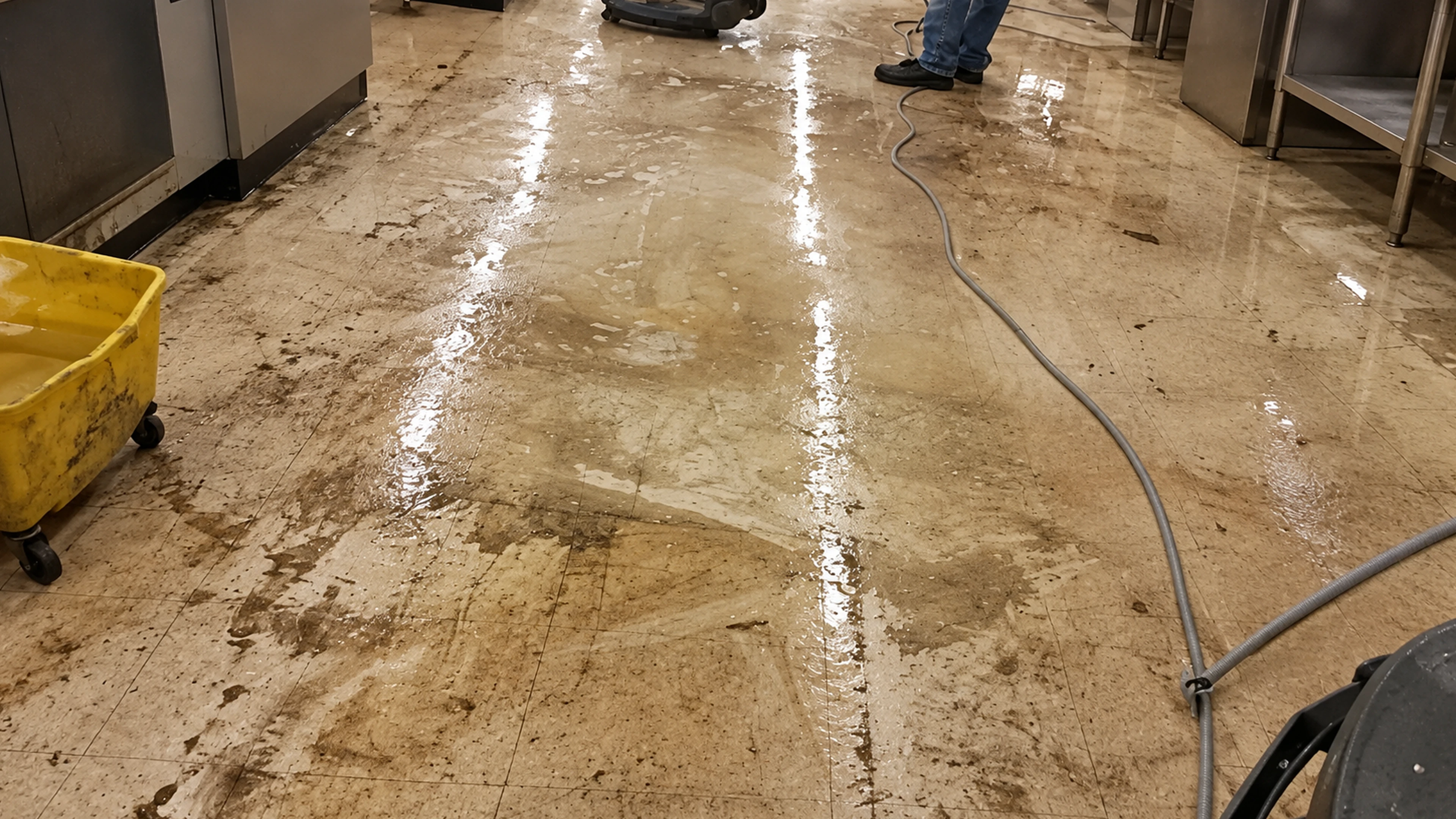
From a safe location, note when you discovered the problem and photograph visible damage if you can do so without approaching hazards. Keep a simple record of the rooms affected and the people you contact. You do not need to investigate behind walls or lift wet materials to make the first call.
Contact your insurer directly if you have questions about your policy or documentation requirements. We can discuss cleanup and restoration needs, but coverage decisions belong with your insurer. Avoid assuming that a particular cause or repair will be covered.
Why should cleanup and drying be discussed promptly?
The EPA advises drying wet materials promptly, generally within 24 to 48 hours where possible, to help limit mold growth. That guidance is a reason to act quickly, not a guarantee that materials are safe before a deadline. The water source and the condition of the affected materials also matter.
Do not use an ordinary household vacuum to remove water or start disturbing damaged walls. Tell us about suspected contaminated water and any odor or visible growth. We can discuss mold and sheetrock removal and replacement when damaged materials need further attention.
What happens after the immediate cleanup question?
Make a separate list of repair concerns, including damaged wall sections, trim, and other affected areas. We also offer minor construction work alongside restoration. Discuss the sequence and scope with us before treating a cleaned surface as proof that the underlying problem has been resolved.
Further Reading
More Cleaning & Restoration Guides
- From Cleanup to Repairs: Planning a Room’s Restoration in Ada
- Mold and Damaged Sheetrock: What to Ask Before Replacing a Wall
- A House Cleaning Priority Checklist for Your Ada Home